Geomatics Engineering Student

Mapping the Future with Web GIS & Remote Sensing

Hi, I'm Nishant Tamang. I combine rigorous geomatics engineering practices with modern web technologies to design spatial dashboards, analyze subnational census datasets, and unlock insights using geographic data models.
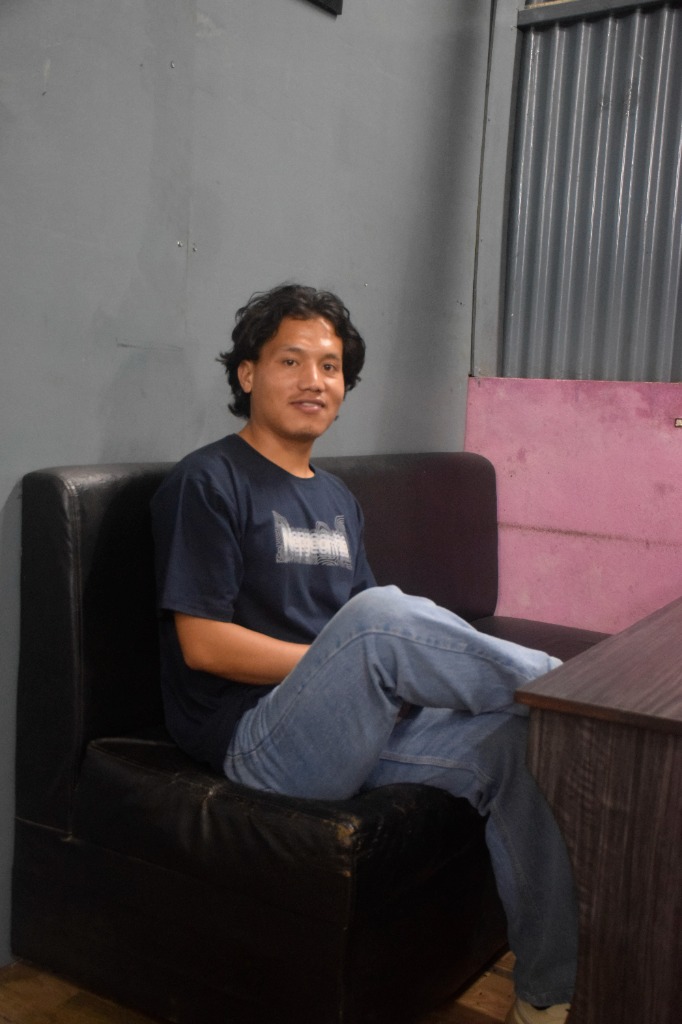
Nishant Tamang
Timeline

Academic & Professional Journey

A log of my academic projects, remote sensing research, and GIS developer experiences.

2025

GIS Intern

  • Designed subnational mapping systems and managed spatial attribute records.
  • Digitized local administrative boundaries and cross-referenced public records.
  • Assisted senior surveyors in conducting field measurements and validating cadastral boundaries.
2025

Remote Sensing Project

Kathmandu University
  • Acquired and processed multi-temporal Sentinel-2 and Landsat satellite images.
  • Calculated Normalized Difference Vegetation Index (NDVI) and built-up indexes to analyze urbanization trends.
  • Conducted supervised land-cover classification using Random Forest models in Google Earth Engine.
2026

Web GIS Project using Leaflet

Independent Engineering Work
  • Created an interactive population distribution visualizer mapping Nepal's 2021 Census.
  • Integrated asynchronous GeoJSON fetches, designed custom green-spectrum styles, and bound dynamic hover state events.
  • Optimized map loading, integrated customizable light/dark basemaps, and embedded a responsive client dashboard.
Interactive Visualizer

Nepal Census Population (2021)

Explore subnational demographics in Nepal. This Leaflet-based Web GIS application dynamically maps census data across the country's 7 provinces. Hover over any province to see detailed population profiles.

Choropleth Map of Provinces

Source: Nepal Census 2021 (National Statistics Office)

29.16M
Total Population
7
Provinces

Assembling administrative map layers...

Browser CORS Block Detected

Browsers block AJAX requests on local files (file://) for security. Please run a local web server, or click the button below to load the map using a fallback inline dataset.